
Small Supports, Real Relief: Unique Ways to Strengthen Everyday Mental & Emotional Wellness
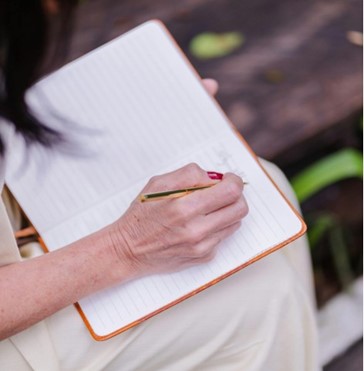
Mental and emotional wellness is the everyday practice of staying connected to your feelings, your body, and the people around you—especially when life is ordinary, not “in crisis.” Most of us don’t need a complete personality makeover; we need small supports that make Tuesdays feel less jagged.
A quick snapshot you can steal today
- Pick one tiny ritual that happens no matter what (two minutes counts).
- Create one “pressure valve” for tough moments (a phrase, a breath pattern, a place to stand).
- Add one social touchpoint that isn’t problem-solving (a meme, a voice note, a walk).
- Reduce one recurring friction (notifications, clutter hotspot, late-night doom scroll).
The “micro-ritual” menu (choose 2–3)
- Doorway reset: Every time you enter a room, drop your shoulders and unclench your jaw once.
- Name it, don’t narrate it: Say (out loud if possible), “I’m noticing worry,” instead of building a story around it.
- Two-song commute: One song to match your mood, one song to shift it.
- Pocket grounding: Carry a textured object (coin, stone, keychain). Touch it when you start spiraling.
- Kitchen timer kindness: Set a 5-minute timer to do something “unfinished” with zero perfection—fold a few shirts, rinse dishes, tidy one surface.
- Light-first mornings: Open blinds or step outside for a minute before you check messages.
A tiny table of mood “levers” you can pull
|
Lever |
What you do (1–5 min) |
When it helps most |
Why it works (plain-language) |
|
Body temperature |
Splash cool water on face or hold a cold drink |
When you feel keyed up |
Physical sensation can interrupt mental momentum |
|
Visual field |
Look at the horizon or out a window |
When you feel trapped |
“Widening” attention can reduce tunnel vision |
|
Words |
Label one emotion + one need |
When you feel irritable or numb |
Clarifies what’s actually happening |
|
Movement |
When you feel stuck |
Changes state without needing motivation |
|
|
Connection |
Send a “no need to reply” text |
When you feel lonely |
Low-pressure contact still counts |
The surprising mental-health upside of learning again
Career growth can be a form of emotional care because it replaces vague stress (“I’m stuck”) with a clearer direction (“I’m building toward something”). Returning to school can also restore a sense of agency: you’re not just enduring your week—you’re shaping the next one. An online degree can make this more realistic by offering flexibility that fits around work, caregiving, or unpredictable schedules. And if you’re curious about analytics, earning an online master’s degree in data analytics could allow you to develop your skills in data science, theory, and application while still keeping life moving—here’s a program option to help you elevate your data analytics career.
How-to: build a personal “pressure valve” plan
- Spot your early sign. Choose one reliable signal (tight chest, doom scrolling, snapping, procrastination).
- Pick a 60-second action. Examples: 4 slow exhales, cold water, step outside, stretch your muscles, write one sentence.
- Add a sentence you’ll believe. Not inspirational—usable: “This is a stress wave; it passes.”
- Make it frictionless. Put the sticky note on your desk, keep shoes by the door, set a timer shortcut.
- Decide your “if it gets worse” step. A friend to call, a therapist appointment, or a professional resource.
Result: you stop negotiating with your brain and just run the plan.
One solid resource when you want something trustworthy
If you want a straightforward, reputable starting point for day-to-day stress support, the CDC’s “Managing Stress” page lays out practical ideas you can use immediately (and includes guidance on when to seek additional help).
FAQ
What if I don’t have time for wellness habits?
Treat it like brushing your teeth: shrink it until it fits. One minute done daily beats twenty minutes done never.
How do I know whether to talk to someone professionally?
If your sleep, mood, anxiety, or coping habits are consistently interfering with work, relationships, or basic care, that’s a strong signal to reach out for help.
Do these ideas replace therapy or medication?
No. Think of them as “daily supports” that can work alongside professional care, not a substitute.
What’s the fastest way to feel better in a hard moment?
Change one input: body (breath/movement), environment (light/space), or connection (a brief message). Fast doesn’t mean permanent, but it can be enough to get you through the next ten minutes.
Conclusion
Everyday wellness isn’t a single hack—it’s a small ecosystem of cues, routines, and relief valves that keep you steadier over time. Start with one practice that feels almost too easy, then repeat it until it becomes automatic. If you want extra stability, build your plan around the moments you already have (doorways, commutes, meals). And when life gets heavier than your tools can handle, it’s a strength—not a failure—to ask for support.
With gratitude to Kimberly Hayes, Chief Blogger at PublicHealthAlert.info for this article
Image via Pexels