
Home Renovations That Boost Your Body and Mind Health
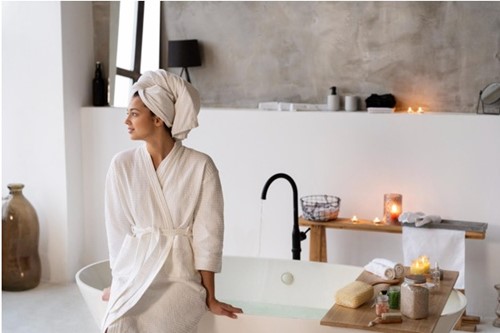
Busy parents balancing work and wellness, remote workers glued to screens, and homeowners or renters planning a refresh often face the same challenge: renovations are chosen for looks and resale, while everyday comfort and health are treated as an afterthought. Tight budgets and limited time make it hard to tell which upgrades deliver real home-renovation benefits versus quick aesthetic wins. When renovation decisions support well-being at home, the impact shows up in steadier energy, fewer irritants, and spaces that feel easier to live in. This focus turns design choices into meaningful physical and mental health improvements.
Understanding Wellness-Focused Design Basics
Wellness-focused design means you judge renovation by how it supports your body and mind, not just how it photographs. The basics are simple: steady, comfortable light; clean, well-moving air; lower everyday noise; and at least one space that helps you downshift.
This matters because these factors shape how you sleep, focus, and recover after long days. When lighting reduces glare, air feels fresher, and sound is controlled, your home stops draining you and starts restoring you. Even the USD 5.7 billion market for acoustic materials signals how common the noise problem has become.
Think of two home offices: one has harsh overhead bulbs, stale air, and an echo and the other has layered lighting, a quiet fan, and softer surfaces. The second space is not trendy; it is simply easier to think and breathe in. With the basics clear, plumbing upgrades can become practical wellness wins too.
Quiet, Clean Water: Plumbing Upgrades That Feel Like Self-Care
Once the big wellness basics are in place, everyday comfort often comes down to what you hear, feel, and use dozens of times a day, like your home’s water. Plumbing upgrades can deliver surprisingly meaningful health benefits and a sense of calm: a water filtration system can improve water quality for drinking and washing, while low-noise fixtures reduce the background clatter that chips away at relaxation. If your shower or sinks feel weak or inconsistent, improving water pressure can make routine hygiene easier and more satisfying. And a spa-style shower, think more enveloping flow and better temperature stability, can turn a rushed rinse into a small recovery ritual. For any of these projects, sourcing professional-grade parts from a reputable supplier matters for performance and long-term reliability; for plumbing-supply options and comparisons, there’s good background here.
Wellness Renovation Options Side by Side
These upgrades go beyond plumbing and affect how your home supports recovery, focus, and ease. Use the quick comparison below to match the renovation type to the health outcome you want most, plus the constraints you actually have (time, budget, disruption tolerance).
|
Option |
Benefit |
Best For |
Consideration |
|
Layout optimization |
Smoother movement, fewer daily friction points |
Crowded pathways, awkward room flow |
Often needs design time and tradeoffs |
|
Low-VOC paint and finishes |
Less odor and irritant exposure during refresh |
Bedrooms, nurseries, frequent repaint areas |
Material costs can run $40 to $80 per gallon |
|
Storage solutions |
Visual calm, faster routines, fewer trip hazards |
Entryways, kitchens, small homes |
Requires consistent decluttering habits |
|
Noise-control methods |
Better rest, fewer distractions, lower stress |
Light sleepers, work-from-home setups |
Sealing and insulation can be disruptive |
|
Lighting upgrades |
Stronger mood cues and safer navigation |
Dark halls, winter blues, aging-in-place |
Glare control and color temperature matter |
If you want the biggest day-to-day relief, start with the option that removes your most frequent annoyance, clutter, noise, or bottlenecks. Then choose the least disruptive project that still delivers a noticeable change. Knowing which option fits best makes your next move clear.
Build a Budget-Smart Plan in 6 Renovation Decisions
If your goal is a healthier home, the budget shouldn’t force you into an all-or-nothing remodel. Use the cost-benefit thinking from the comparison table (layout, materials, storage, and noise control) to make a plan that protects your wallet and your well-being.
- Set a “wellness outcome” budget, not a room budget: Pick 2–3 outcomes you want most (sleep quality, fewer allergens, calmer focus zones) and assign each a dollar cap and a finish line. This prevents a kitchen or bath from consuming all the budget just because it’s a high-visibility space. Keep one small “recovery” fund (often 10–15% of your total) for surprises so you don’t cut the air-quality or noise-control items that make the biggest daily difference.
- Define your “non-negotiables” using the table’s categories: Choose one must-do from each category that matters to you, e.g., layout: clear walking paths; materials: low-VOC paint; storage: a closed cabinet for cleaners; noise: a door sweep for the bedroom. A simple rule: if a line item doesn’t move one of your outcomes, it’s optional this round. This keeps prioritizing wellness upgrades front and center when inspiration boards start expanding.
- Sequence projects to avoid rework (and protect indoor air): Do the messy, structural, or behind-the-walls work first: moisture fixes, electrical, ventilation, insulation, then surfaces and finishes. If you’re repainting and replacing flooring, paint first, floor second; if you’re improving sound control, add door seals or insulation before new trim. This project sequencing tip saves labor, reduces dust exposure, and keeps your “fresh” upgrades from getting damaged.
- Choose a “high-impact, low-disruption” first phase: Start with cost-effective home improvements that change how you feel today without locking you into big design decisions. Many budget-friendly options include swapping harsh lighting for warmer bulbs, adding a fresh coat of low-odor paint, or upgrading a bedroom door latch and door sweep for quieter sleep. Use this phase to test what actually improves stress and comfort before you commit to major layout work.
- Use decision rules to stop scope creep before it starts: Write three “yes/no” rules on paper: Does it improve a wellness outcome? Does it reduce future work (not create it)? Can we maintain it easily? If any answer is “no,” park it in a “later” list with a rough cost and reason. This turns long-term renovation planning into a controlled queue instead of a growing wish list.
- Price your plan in ranges and lock the sequence, not the finishes: For each phase, build a low/likely/high cost range and plan around the “likely” number. Renovation budgets are rising, the median spend increased, so it’s smarter to keep your order of operations stable (air sealing before paint, storage before styling) and let finishes flex if needed. If bids come in high, downgrade cosmetic choices first, not the health-supporting backbone.
Choose One Wellness Upgrade to Make Your Home Restorative
Balancing comfort, health goals, and a real-world budget can make renovations feel like an endless trade-off. A steady, decision-first mindset, prioritizing well-being focused design and sequencing choices to protect sustainable renovation benefits, keeps motivating home improvements practical instead of overwhelming. Done this way, restorative home environments emerge step by step, and the payoff shows up in calmer days, better sleep, and stronger long-term health outcomes. Design choices that support daily recovery are the most practical health investment you can make at home.
Image via Magnific
About the author
Kimberly Hayes
Chief Blogger at PublicHealthAlert.info