
Creating a Flexible Wellness Room That Supports Fitness and Relaxation
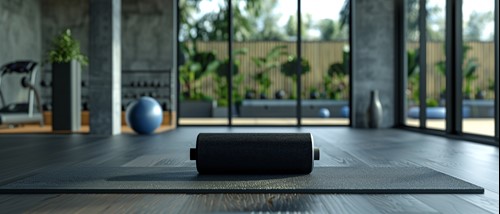
For homeowners interested in wellness remodeling, the appeal is clear: a dedicated place to move, recover, and decompress without leaving the house. The challenge is just as real, most homes can’t spare a room for a single purpose, and exercise equipment can quickly turn a peaceful space into visual clutter. A multipurpose wellness space solves that tension by pairing flexible room design with thoughtful home fitness integration, so the room supports routines instead of fighting them. Done well, it becomes a dependable anchor for mental and physical well-being at home.
Understanding Versatile Wellness Room Design
Versatile wellness room design means shaping one room to support movement, recovery, and calm without constant setup or teardown. It reflects the home wellness movement, where interiors are planned to support mental, physical, and emotional well-being. The goal is intentional flexibility, using smart storage, movable pieces, and clear zones to make the space feel doable.
This matters because consistency comes from convenience. When your yoga mat, dumbbells, and recovery tools have a “home,” you are more likely to use them, then actually relax afterward. A unified space also reduces visual noise, which helps your brain shift from effort to rest.
Picture a spare room with a foldaway bench, a lidded storage ottoman, and a corner kept open for stretching. You train, slide gear away, then dim the lights and switch to breathwork or foam rolling. The room works like a switch, helping you change modes on purpose. That same planning benefits from checking reliability risks and a simple contingency plan for repairs.
Prevent Remodel Setbacks by Planning for Surprise Repairs
A versatile wellness room works best when the behind-the-scenes systems keep the space consistently comfortable and functional. If you’re using the room regularly for workouts, recovery, and relaxation, your home’s heating, cooling, and electrical systems may simply be asked to do more, powering fans or equipment, keeping temperatures steady, and supporting the lighting that makes the room feel calm and usable. Over time, that extra demand can contribute to normal wear and tear, and surprise repairs can quickly become an unplanned cost that disrupts your routine.
One way to reduce that uncertainty is to consider a home warranty service agreement, which can help cover the repair or replacement of essential home systems when covered items break down. Reviewing home warranty plan options can help you understand what protections may be available, so an unexpected system issue doesn’t derail your wellness-space momentum. With peace of mind around the systems you rely on, you can focus next on the practical design choices, layout, storage, lighting, and materials that make the room feel flexible rather than cluttered.
Use This 4-Part Design Blueprint: Layout, Storage, Light, Materials
A wellness room works best when it can shift gears fast, workout to recovery, busy weekday to calm evening, without turning into a clutter magnet. Use this simple blueprint to plan a space that stays functional even when timelines slip, or surprise repairs steal attention.
- Start with a “zones first” layout plan: Sketch the room and assign 2–3 zones: movement (clear floor), reset (mat/meditation), and support (storage + charging). Protect a central “no-furniture lane” you can use for lunges, yoga flows, or a quick mobility circuit. Before you buy anything, measure your largest item (bike, bench, treadmill) and map a safe clearance path to doors and vents so you’re not redoing placement after an electrical or HVAC fix.
- Design storage around what you touch weekly: Store the most-used items at arm height and within one step of the workout zone: bands, small weights, towel, wipes, and a water bottle. Reserve low or high storage for occasional items like massage tools, extra mats, or seasonal gear. A quick way to stay consistent is to build storage choices around smart storage solutions like closed cabinets for visual calm and wall shelving for quick grab-and-go.
- Create a “two-minute reset” system to stay clutter-free: Pick one drop zone (basket, cabinet, or drawer) for everything that otherwise lands on the floor, resistance bands, headphones, HR strap, yoga blocks. Use small organizers so items don’t tangle; drawer trays with dividers make it obvious where things go and make cleanup automatic. Aim to restore the room to baseline in two minutes so you’re not starting each session by tidying.
- Layer lighting so the room can energize or downshift: For training, prioritize bright, even ambient light that reduces shadows where you’re stepping, lifting, or balancing. For recovery, add a softer layer, like a dimmable lamp or warm bulbs in a side fixture, so your nervous system gets a clear “time to calm” cue. Put workout lighting and wind-down lighting on separate switches or plugs so you can change the mood in seconds.
- Choose materials that handle sweat, impact, and quiet: For floors, think wipeable and slip-resistant; if you’re not replacing flooring, use a large training mat to protect the surface and reduce noise. On walls, choose scrubbable paint finishes where hands might touch, especially near stretch zones. For sound and comfort, add a washable rug in the relaxation corner or simple soft panels/curtains to reduce echo, small changes that make the room feel calmer without major construction.
- Build in flexibility for repairs and real life: Leave one “utility buffer” area clear, access to a panel, vent, or window, so a repair doesn’t require moving half the room. Keep a small line item in your budget for replacements (light fixture swap, extra storage hardware, floor protection) so surprise maintenance doesn’t derail the wellness function. A space that adapts easily also makes shared-use negotiations and gear-fit decisions much simpler later.
Wellness Room Remodeling Questions, Answered
Q: What’s a realistic budget for a wellness-focused room remodel?
A: Start by separating “must-haves” from “nice-to-haves,” then price out flooring protection, lighting, and storage first. Many people overbuy equipment early, so set a cap and wait until the layout is tested for a week. A growing wellness real estate market, projected to reach over $580 billion, also signals that thoughtful upgrades can be a meaningful home investment.
Q: How can one room work for both workouts and relaxation without feeling chaotic?
A: Limit the room to two or three core activities and give each one a clear “home base” for gear. Choose one calming visual anchor like a neutral wall color or a single lamp so the room can downshift fast. A wellness room definition centers on mental and physical well-being, so simplicity is a feature, not a limitation.
Q: Can I share the space with family members without constant conflict?
A: Yes, if you agree on time blocks and a quick put-away standard everyone can follow. Keep shared items in one labeled bin and personal items in separate containers so no one has to hunt for gear. A simple rule helps: if it takes longer than two minutes to reset, you have too much out.
Q: What should I check before buying large fitness equipment?
A: Measure doorway width, turning radius on hallways, and ceiling height where the equipment will live. Confirm power needs, outlet location, and whether vibration or sound will bother other rooms. If you are unsure, use painter’s tape on the floor to mark the footprint and test walking paths for two days.
Build a Home Space That Supports Daily Wellness Habits
It’s easy to feel stuck between wanting a calming, functional wellness room and the realities of budget, shared space, and daily clutter. The most motivating home remodeling starts with a clear intention, designing around the routines and values that make wellness sustainable, so choices stay simple and consistent. When the environment works with you, long-term wellness benefits show up as easier follow-through, less friction, and more holistic physical and mental health over time. A supportive space turns wellness from a plan into a practice. Choose one next step today, measure the room, clear one corner, or decide your room’s primary purpose, and commit to it. Creating sustainable wellness environments is a practical way to empower personal health at home for years, building resilience you can return to on any day.
About the author
Kimberly Hayes
Chief Blogger at PublicHealthAlert.info